Warm Beige or Cool Grey: Finding Your Neutral Temperature
Neutral wardrobes split into two temperatures — the warm family (camel, cream, chocolate) and the cool (grey, black, true white) — and most ‘this neutral does nothing for me’ moments are temperature mismatches. Finding your side, and the treaty for mixing them.

The Two Families
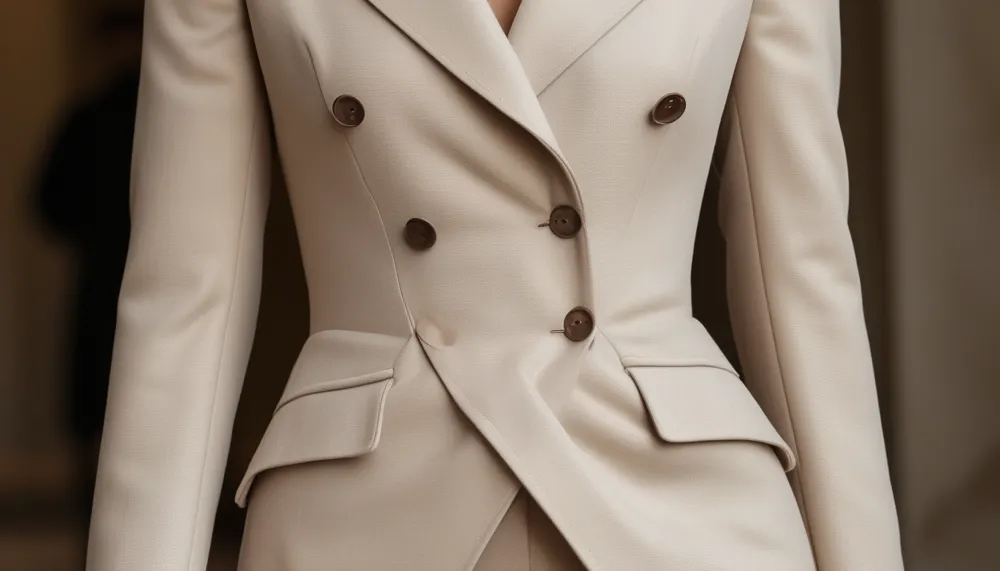
The taxonomy: warm neutrals carry yellow-gold undertones (camel, tan, cream, chocolate, warm taupe); cool neutrals carry blue undertones (grey, charcoal, true white, black, cool stone). Each family harmonizes internally by default — the effortless neutral outfits are usually single-family.
The Undertone Alliance
The skin partnership: warm undertones (the gold-jewelry team) glow in the camel family; cool undertones (silver team) sharpen in greys and true whites — the wrong-temperature neutral reads as ‘tired’ precisely because it argues with the face above it. The vein test casts your neutral wardrobe.
The Mixing Treaty
Cross-temperature pairings work by intention: the camel coat over grey (the classic deliberate mix — one piece per family, clear contrast), the bridging neutrals (denim and navy sit temperature-neutral; the great diplomats), and the avoid: near-miss mixing (the warm white with the cool white reads as laundry error, not styling).
The Wardrobe Application
The palette decision’s payoff: a single-temperature neutral core (with the other family as deliberate accents) makes every drawer combination pre-harmonized — the capsule math’s color chapter. The audit: lay the neutrals on a white sheet; the two families separate visibly, and your face has already voted for one.
Two families, vein-test the alliance, mix by contrast not accident. The neutral wardrobe was never one palette — it was two temperatures, and knowing yours upgrades every beige decision.
Keep Reading
This article is for general styling and informational purposes only. Trends, sizing, availability and pricing may vary by brand and season.