The Real Reason Some Neutral Outfits Clash Despite Every Piece Being 'Neutral'
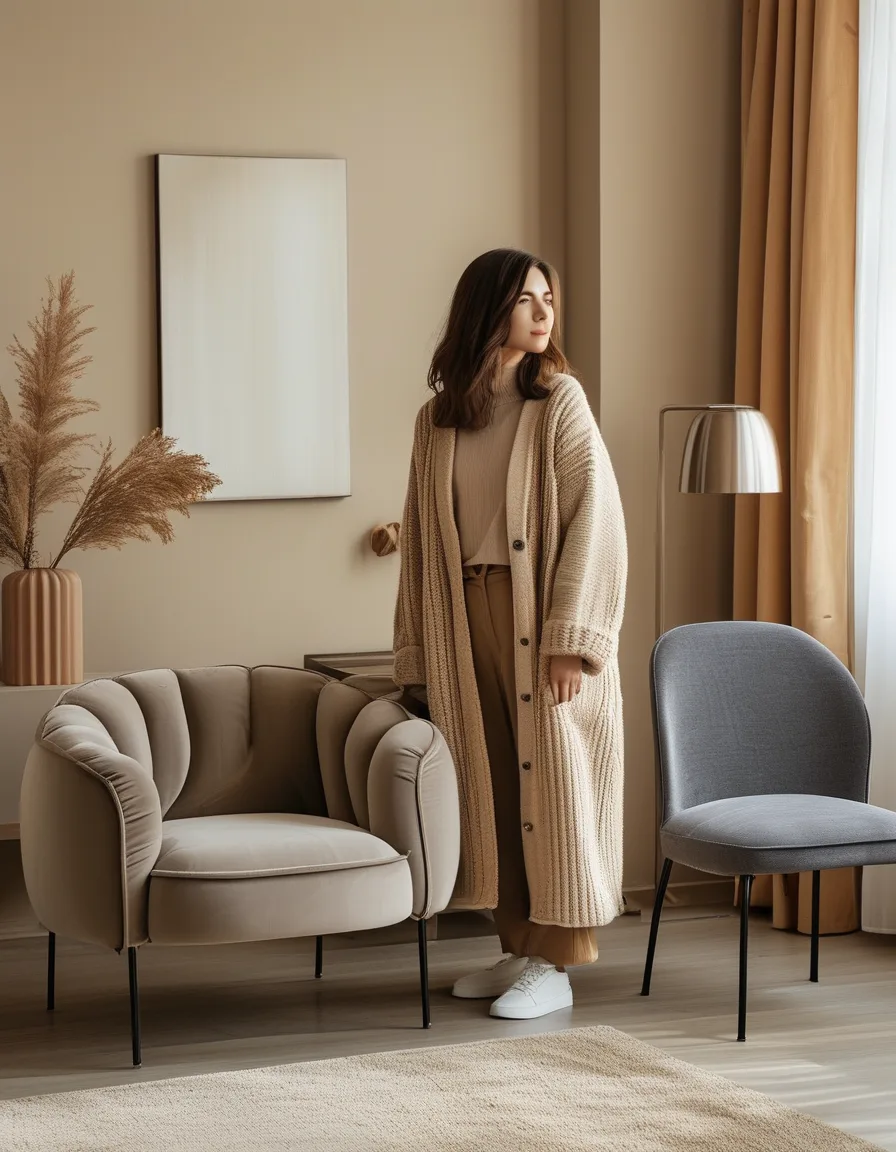
An outfit built entirely from technically neutral colors — beige, grey, cream, taupe — can still visually clash in a way that feels confusing given that every individual piece is, by definition, neutral, and the actual reason comes down to neutrals genuinely splitting into warm and cool sub-categories that can clash with each other exactly the way warm and cool colors more broadly can.
Why Neutrals Genuinely Split Into Clashing Warm and Cool Sub-Categories
A neutral like beige or cream genuinely carries an underlying warm, yellow-based cast, while a neutral like a cool grey or a blue-based taupe genuinely carries an underlying cool, blue-based cast, meaning two colors that both qualify as broadly ‘neutral’ can still carry genuinely opposing warm-versus-cool undertones — and that underlying warm-versus-cool opposition is exactly what produces a visual clash, the same mechanism that makes a warm red clash against a cool pink in a non-neutral context.

The Specific Distinction That Actually Causes the Clash
The clash isn’t about the neutral colors being different shades or different levels of light-and-dark — it’s specifically about one neutral carrying a warm undertone and the other carrying a cool undertone at the same time within one outfit, which creates the same kind of undertone tension that occurs between clashing colors elsewhere on the color wheel, just less obviously since both colors read as neutral at a glance.
Checking for This Clash Before an Outfit Gets Worn
Hold two candidate neutral pieces directly next to each other in natural light and look specifically for a yellow-versus-blue undertone difference between them, rather than just checking whether the shades look similar in lightness — pieces that share the same warm or the same cool undertone will genuinely look cohesive together, while pieces with opposing undertones will show a subtle but real visual tension even though both are technically neutral colors.
Neutral colors genuinely split into warm, yellow-based neutrals and cool, blue-based neutrals, and pairing a warm neutral with a cool neutral in the same outfit creates the same kind of undertone clash that occurs between clashing colors elsewhere on the color wheel, just less obviously since both still read as neutral at a glance — so holding two candidate neutral pieces together in natural light and checking specifically for a yellow-versus-blue undertone difference, rather than just comparing lightness, reveals that clash before the outfit actually gets worn.
Keep Reading
This article is for general styling and informational purposes only. Trends, sizing, availability and pricing may vary by brand and season.