Why Her Basics Look Expensive: The Neutral Elevation Checklist
The mystery of the woman whose white tee and beige trousers read as a fashion campaign: her basics run the elevation checklist — fit, fabric, finish, and the grooming multiplier. The expensive look was never the price tag; it was the audit. The checklist, published.
The Fit Clause
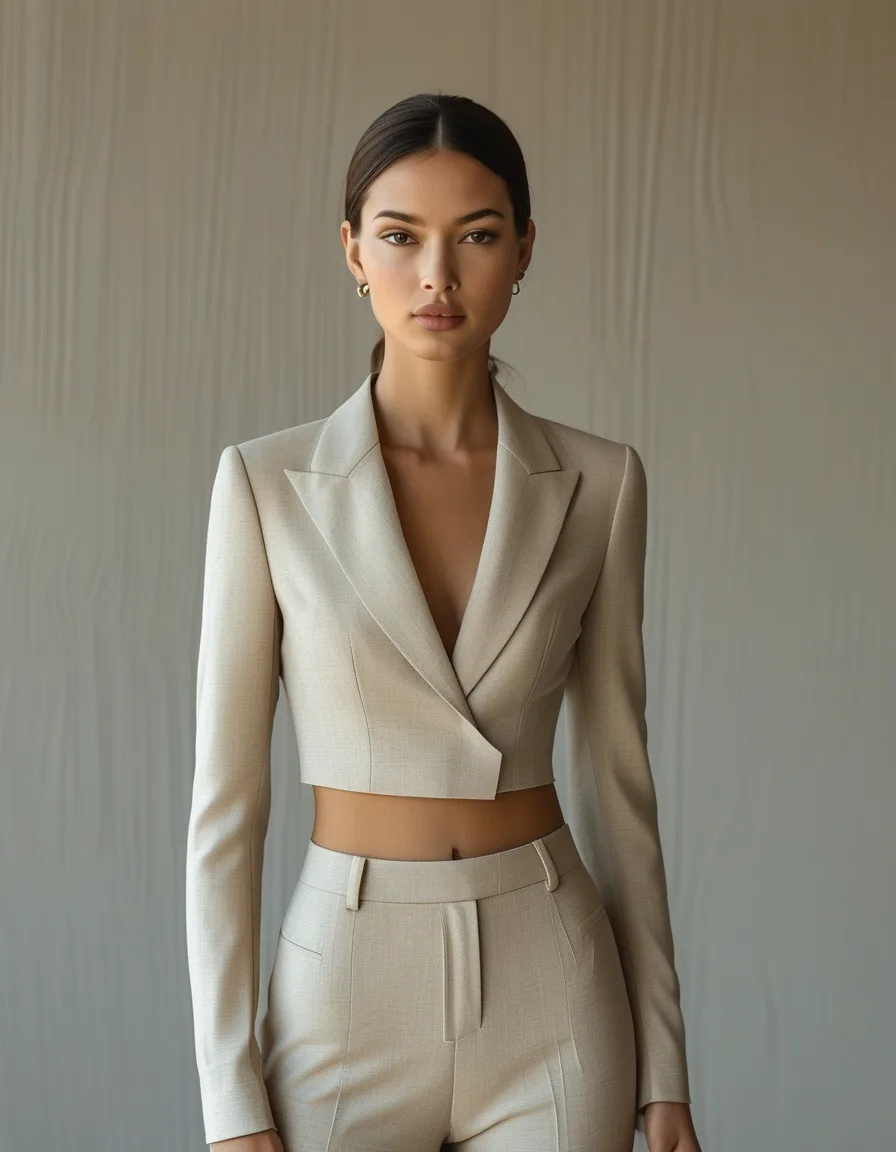
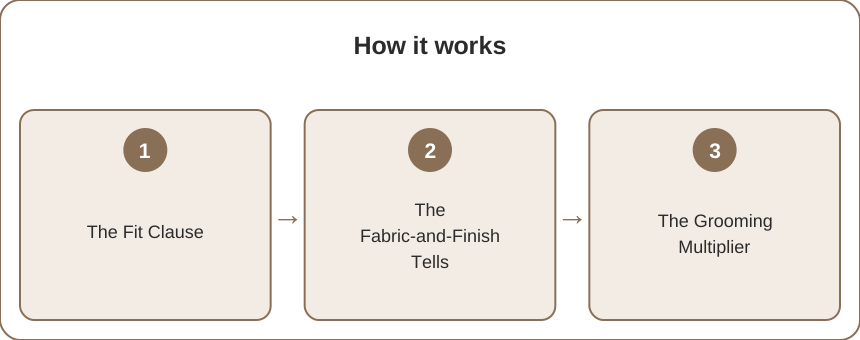
Elevation’s first lever: basics that FIT — the tee skimming not clinging, the trouser hemmed to the shoe (the tailor’s two-coffee fee doing luxury’s work), shoulders landing on shoulders. The expensive read is 80% the absence of fit-noise; the fanciest fabric can’t outrun a dragging hem.
The Fabric-and-Finish Tells
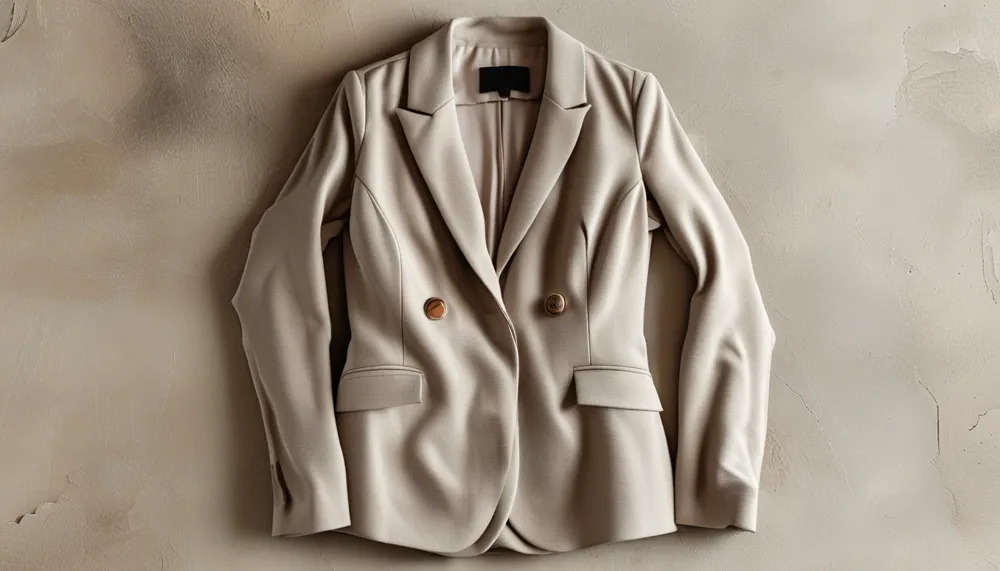
The material audit: weight and opacity (the substantial tee versus the tissue one — the hold-to-light test), matte over shine in basics (cheap fabrics gleam), and the finish details — clean necklines that hold, no pilling, pressed-or-steamed surfaces (the wrinkle audit: linen’s wrinkles read rich; polyester’s read tired).
The Grooming Multiplier
The checklist’s non-garment half: the same beige outfit reads differently with deliberate hair, tended nails and the finished-face tier (the five-minute face’s whole thesis) — grooming is the elevation constant across every ‘how does she look expensive’ analysis. The basics are the canvas; the grooming is the signature.
The Detail Economy
The final reads: one quality accessory doing the talking (the good watch, the structured bag — the leather tells), metals matched, shoes CLEAN (the single loudest expensive-or-not signal below the ankle), and the posture that wears it all (the ballet files’ free upgrade). The expensive look, itemized: mostly maintenance, entirely learnable, optionally cheap.
Fit tailored, fabric substantial, shoes clean, grooming finished. The expensive read was a checklist, not a receipt — and every line item costs more attention than money.
Keep Reading
This article is for general styling and informational purposes only. Trends, sizing, availability and pricing may vary by brand and season.